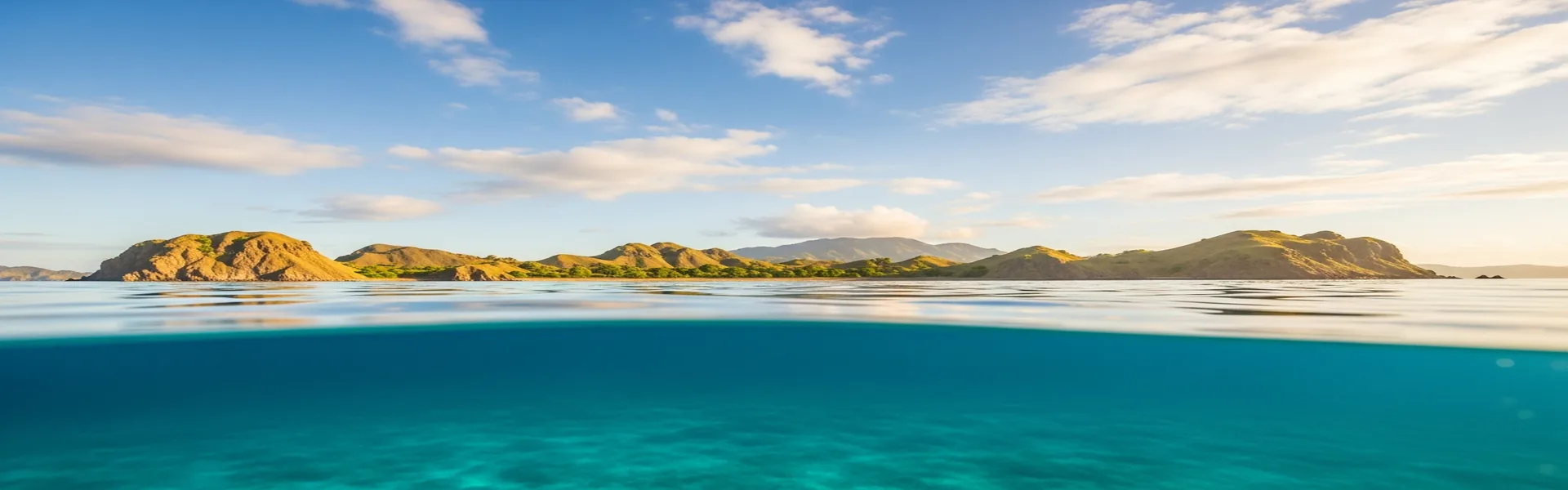
Best Time to Visit Komodo: 2026 Season Guide
Comprehensive month-by-month breakdown to choose your ideal Komodo cruise season based on weather, wildlife, crowds, and budget.

Komodo Island Seasons Overview
Komodo's tropical location creates two distinct seasons significantly affecting cruise conditions, pricing, and experiences. Understanding seasonal patterns helps you select the best time to visit Komodo for your specific priorities—optimal diving, fewer crowds, budget value, or wildlife encounters.
Dry Season (April - November)
Best for: Diving, snorkeling, and all water activities
Characterized by clear skies, calm seas, excellent visibility (40+ meters), perfect swimming conditions, and optimal wildlife viewing. Higher temperatures and virtually no rainfall make this ideal for marine exploration.
- Peak crowds and premium pricing
- Reliable weather and sailing conditions
- Maximum dive site accessibility
- Strong manta ray season (July-November)
Wet Season (December - March)
Best for: Budget-conscious travelers and social cruisers
Occasional afternoon rains and higher humidity with reduced visibility (20-30 meters) and occasional cancellations of Komodo dragon treks due to muddy conditions. However, fewer tourists, 20-30% lower prices, and unique opportunities offset rainy periods.
- Significant price reductions
- Fewer tourists and more exclusive experiences
- Still viable for diving and snorkeling
- Lush green landscapes and vibrant colors
Month-by-Month Komodo Conditions
This detailed breakdown covers weather patterns, marine conditions, tourist crowds, pricing tiers, and wildlife activity for each month. Use this to plan your best time to visit Komodo.
April - May (Shoulder Season)
April
- Weather: Transitioning to dry season; occasional morning showers, warming temperatures (28-32°C)
- Diving: Good visibility (25-35m); calm conditions developing
- Crowds: Moderate; transitioning from wet season
- Pricing: Mid-range (10-15% discount vs peak)
- Wildlife: Whales migrating; dolphins active
- Best for: Budget travelers; manageable crowds; developing conditions
May
- Weather: Dry season established; sunshine and clear skies (29-33°C)
- Diving: Excellent visibility (35-45m); calm seas and ideal water entry
- Crowds: Increasing as weather improves
- Pricing: Standard rates; before summer surge
- Wildlife: Excellent manta encounters; sea turtles abundant
- Best for: Divers seeking balance of conditions and prices
June - August (Peak Season)
June
- Weather: Dry conditions; cooler due to winds (28-31°C)
- Diving: Excellent visibility and calm conditions; some current variations
- Crowds: Increasing summer tourism from Europe
- Pricing: 10-20% premium; summer surge begins
- Wildlife: Manta rays abundant; peak diving season begins
- Best for: Serious divers; peak underwater experiences
July - August
- Weather: Peak dry season; hottest and busiest months (28-32°C)
- Diving: Maximum visibility (40-50m); optimal sea conditions
- Crowds: Peak tourist season; expect 70-80% booking occupancy
- Pricing: Premium rates (20-30% above average)
- Wildlife: Best manta season; eagle rays and sharks frequent
- Best for: Non-negotiable dates; school holidays; big budgets
September - November (Extended Dry Season)
September
- Weather: Continued dry conditions; beginning of monsoon influence (28-33°C)
- Diving: Excellent visibility; slightly calmer currents than summer
- Crowds: Declining after summer peak
- Pricing: Moderate rates; post-summer adjustment
- Wildlife: Continued manta activity; reef fish abundant
- Best for: Divers; manageable crowds; reasonable pricing
October - November
- Weather: Dry conditions; occasional wind variations (28-32°C)
- Diving: Good visibility (30-40m); varied conditions depending on currents
- Crowds: Moderate; manageable tourist levels
- Pricing: Standard to moderate rates
- Wildlife: Still strong manta encounters; migrating whales
- Best for: Balanced trip; divers seeking quieter season
December - March (Wet Season)
December - January
- Weather: Occasional heavy rains; hot and humid (26-31°C); occasional typhoon remnants
- Diving: Reduced visibility (15-25m); occasional trip cancellations
- Crowds: Moderate (holiday travelers)
- Pricing: 20-30% discounts; off-season rates
- Wildlife: Still active; seasonal fish migrations; whale activity
- Best for: Budget travelers; accepting weather risks
February - March
- Weather: Continued rain; decreasing intensity as March approaches (27-32°C)
- Diving: Moderate visibility (20-30m); improving toward March
- Crowds: Lowest of the year; minimal tourists
- Pricing: Lowest rates of year (25-35% discounts)
- Wildlife: Diverse marine life; unique seasonal species encounters
- Best for: Maximum budget savings; solitude seekers; flexible weather tolerance
Dry Season Deep Dive (April - November)
The dry season represents the best time to visit Komodo for most travelers, offering optimal conditions across all activities and experiences. Understanding dry season nuances helps maximize your cruise experience.
Weather Patterns
Dry season brings clear skies, minimal rainfall, consistent sunshine, and comfortable temperatures ranging 28-33°C. Humidity remains moderate (65-75%), and ocean conditions are ideal for water activities. Trade winds from May-August create perfect sailing conditions with calm, predictable weather patterns.
Marine Conditions
Water visibility averages 35-50 meters—exceptional for diving and snorkeling. Ocean temperatures remain warm (26-28°C), and currents are generally moderate and manageable. Sea state is calm with minimal swells, making diving safe and comfortable. Thermoclines are less pronounced, benefiting reef photography and extended bottom times.
Wildlife Activity
Dry season coincides with peak wildlife activity. Manta rays are most abundant July through November, with June-August offering exceptional encounters. Sea turtles nest on beaches March-June, and whale migrations occur April-May and September-November. Reef fish populations are vibrant and diverse throughout the season.
Peak vs Shoulder
Peak Season (July-August): Maximum crowds, premium pricing, guaranteed optimal weather, and peak marine life encounters. Booking is essential; availability is limited. Shoulder Periods (April-June, September-November): Excellent conditions with fewer crowds and lower pricing. April-May and October-November offer outstanding value for serious divers.
Wet Season Opportunities (December - March)
While wet season presents weather challenges, it offers exceptional value, solitude, and unique experiences for flexible travelers. Komodo diving and snorkeling remain viable despite reduced visibility and occasional cancellations.
Weather Characteristics
Wet season brings occasional afternoon/evening rainfalls (though not continuous), higher humidity (75-85%), and occasional tropical storms. Most mornings remain clear; rain typically occurs 2-4 hours daily in short bursts. Temperatures are slightly cooler (26-31°C), making hot-weather activities more comfortable.
Marine Diving Feasibility
Visibility ranges 15-30 meters—reduced but still adequate for snorkeling and recreational diving. Manta encounters decrease but remain possible. Occasional dive site closures occur during heavy rain; flexibility is essential. However, the reduced visibility filters light beautifully, creating unique photographic opportunities. Advanced divers often find wet season rewarding.
Komodo Dragon Trekking
Muddy conditions can temporarily close Komodo dragon trekking. Rain makes trails slippery and dangerous. However, lush green landscapes created by rainfall provide stunning photography. Trek cancellations are possible but not guaranteed; flexibility is essential.
Advantages for Value Seekers
- Pricing: 25-35% discounts versus peak season
- Exclusivity: 70-80% fewer tourists; intimate experiences
- Availability: Easy last-minute bookings; yacht flexibility
- Personal Service: Crew attention increases with fewer guests
- Unique Experiences: Pristine landscapes; seasonal wildlife variations
Komodo Wildlife Activity Calendar
Understanding seasonal wildlife patterns helps you plan for specific encounters. Each season offers unique marine and terrestrial wildlife viewing opportunities.
Manta Rays
Peak Season: June-November (especially July-September)
Manta migration aligns with seasonal plankton blooms. June-September offers maximum manta encounters with 80-90% encounter probability on dedicated dives. Even April-May and October-November provide excellent chances.
Sea Turtles
Peak Nesting: March-June; Feeding Year-Round
Green and hawksbill turtles nest on beaches March-June. These months offer nesting observation and hatchling encounters. Year-round feeding makes turtle sightings common in shallow reefs.
Whales & Dolphins
Migration: April-May & September-November
Humpback and sperm whales migrate through April-May and again in September-November. Dolphins are active year-round, with variations in encounter locations seasonally.
Eagle Rays & Sharks
Consistent Year-Round Activity
Eagle rays, white-tip sharks, and reef sharks populate Komodo sites year-round. Dry season offers better visibility for these encounters; wet season provides surprises with rare species sightings.
Komodo Dragons
Viewable April-November; Limited Dec-March
Dry season treks offer reliable dragon sightings. Wet season mud reduces trek accessibility. Encounter probability is 90%+ during dry months but drops significantly in wet season.
Reef Fish & Coral
Diverse Year-Round; Peak Dry Season
Tropical reef fish and coral display vibrant colors year-round. Dry season's superior visibility showcases reef biodiversity best. Wet season's filtered light creates unique underwater photography.
Best Time to Visit Komodo FAQ
What is absolutely the best month to visit Komodo for diving?
July and August offer peak conditions with maximum visibility (45-50m), optimal sea state, and the highest manta ray encounter probability. However, crowds are heaviest and pricing is premium. For serious divers seeking balance of conditions and value, June and September-October are excellent alternatives with 80%+ of peak season benefits at lower costs.
Is the wet season really a bad time to visit Komodo?
Wet season (December-March) presents weather challenges but offers substantial advantages: 25-35% price discounts, minimal tourist crowds, and unique seasonal wildlife. Visibility (20-30m) remains adequate for snorkeling and recreational diving. Rain is typically afternoon/evening in short bursts, not continuous. Wet season is ideal for budget-conscious travelers and those seeking solitude. Review our pricing comparison for cost differences.
When should I book my Komodo cruise to secure the best dates and prices?
Book 3-6 months in advance for peak season (July-August) availability; these months book out quickly. For shoulder seasons (April-June, September-November), 2-3 months advance booking is typical. Wet season (December-March) accommodates last-minute bookings due to lower demand. April-May and October-November offer excellent value with advance booking.
Will I see manta rays if I visit outside peak season?
Peak manta encounters occur June-November, especially July-September. However, April-May and October-November still provide 70-80% encounter probability. December-March encounters decrease significantly (30-40% probability) but remain possible. If manta rays are your primary goal, plan for May-November, with June-September as premium months.
How does pricing vary throughout the year?
Peak season (July-August) commands 20-30% premium pricing. Standard rates apply April-June and September-November. Wet season (December-March) offers 20-35% discounts with February-March at rock-bottom prices. Our pricing comparison page shows detailed costs for each season and boat type.
Ready to Choose Your Perfect Komodo Season?
Our cruise specialists help you select ideal travel dates based on your priorities—diving conditions, budget, crowds, or specific wildlife encounters. Let's find your best time to visit Komodo.
Compare seasons: See detailed pricing or contact our team.
Ready to Begin Your Komodo Adventure?
Contact our luxury cruise specialists for personalized itinerary planning and exclusive charter options.
📱 WhatsApp / Phone: +62 811 382 3875
📧 Email: [email protected]