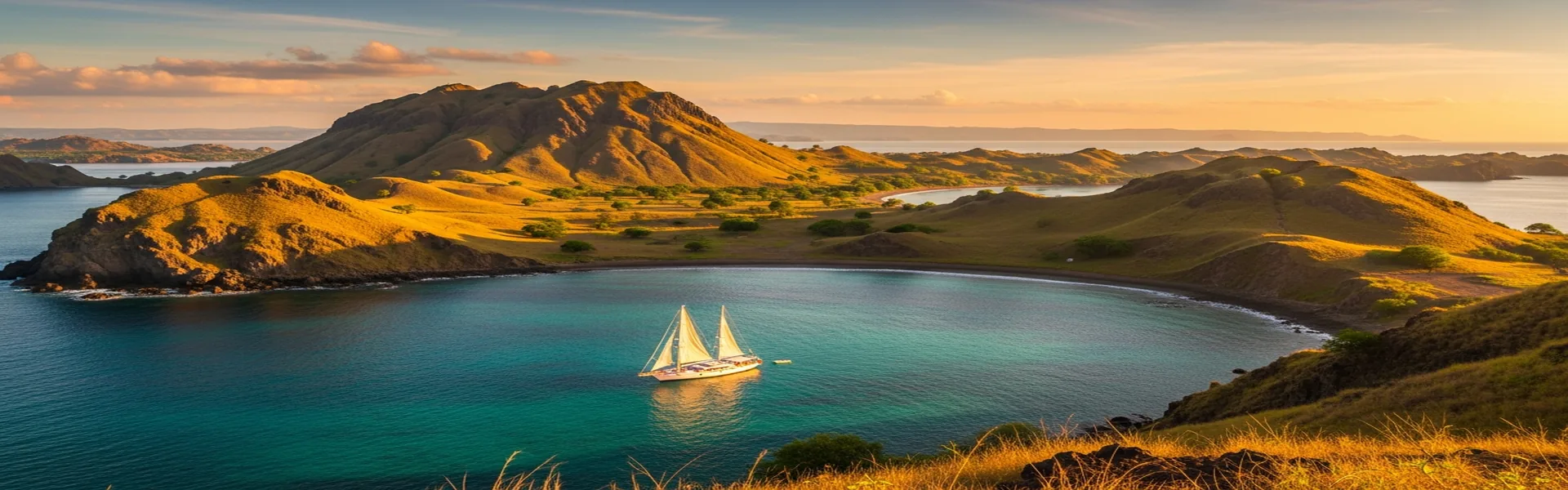
Komodo Island: Home to the World's Largest Living Lizards
Discover Komodo Island, where over 3,000 Komodo dragons roam through pristine volcanic terrain in Indonesia's most iconic national park. Komodo Private Cruise delivers expert-guided ranger treks, thrilling dragon encounters, and unforgettable expeditions across this UNESCO World Heritage Site that rewrote our understanding of evolutionary biology.
Book Your Komodo Island Expedition
Komodo Island Dragon Statistics: Superlatives in Nature
Komodo Island represents the global epicenter of Komodo dragon distribution and evolution. This UNESCO World Heritage Site harbors the world's most remarkable reptilian population, protected within carefully managed conservation frameworks that balance scientific research, tourism, and species preservation.
Komodo Island hosts the world's largest Komodo dragon population, with over 3,000 individuals representing approximately 50% of total wild dragons globally. This concentration reflects Komodo Island's superior size, diverse habitat, and abundant prey resources sustaining viable populations across millennia. Our expert guides track dragon movements across Komodo Island's extensive terrain, positioning visitors for optimal encounters while maintaining safety protocols. The island's scale allows exploration of pristine wilderness rarely encountered elsewhere, rewarding adventurous visitors with genuine off-trail exploration opportunities.
Komodo Island dragons grow to record lengths exceeding 3.5 meters and weights surpassing 140 kilograms, making them the world's largest lizards. This superlative size results from a phenomenon called island gigantism, where isolated island populations evolve larger sizes due to reduced predation pressure and abundant food resources. Komodo Island's dragons represent an evolutionary success story, occupying an apex predator niche with virtually no natural competition. Encountering these massive reptiles in person creates visceral appreciation for their evolutionary achievement and biological dominance across their ecosystem.
Komodo Island is protected as part of the UNESCO-designated Komodo National Park, recognized for exceptional universal value and unique biodiversity. This status ensures international protection for one of Earth's most remarkable ecosystems, supporting ongoing conservation research and sustainable tourism development. UNESCO designation reflects global recognition of Komodo Island's irreplaceable ecological significance and commitment to preserving these evolutionary marvels for future generations. Your visit directly supports conservation efforts protecting Komodo dragons and the pristine wilderness habitat they depend upon.
Ranger-Guided Treks: Expert-Led Explorations of Komodo Island
Komodo Island explorations require certified park rangers, creating opportunities for professional guidance that enhances your understanding of dragon ecology, island geology, and conservation challenges. Our partnership with park authorities ensures access to the most knowledgeable guides available, combining scientific expertise with genuine passion for Komodo Island's remarkable ecosystem.
Professional Ranger Credentials & Experience
All Komodo Island guides hold official park ranger certifications requiring years of field training, comprehensive knowledge examinations, and demonstrated field competence. Our preferred guides average 15+ years of Komodo Island experience, possessing unmatched familiarity with dragon movement patterns, behavioral ecology, and island terrain. These professionals combine natural history expertise with practical safety experience, managing thousands of successful expeditions across diverse seasons and visitor capabilities. Ranger-led experiences on Komodo Island transform wildlife viewing from passive observation into interactive education, with guides interpreting dragon behavior, explaining evolutionary adaptations, and discussing conservation challenges in accessible language.
Tracking Techniques & Dragon Location Strategies
Experienced Komodo Island rangers employ sophisticated tracking techniques perfected across decades of field observation. They interpret subtle environmental clues—dragon tracks, scat, crushed vegetation, territorial markings—to locate and predict dragon movements throughout the day. Rangers understand how seasonal variations affect dragon behavior, positioning visitors for optimal encounters during different times of year. Morning hours on Komodo Island offer highest dragon activity as cooler temperatures encourage movement and feeding behavior. Our guides time your trek to coincide with peak dragon activity periods, maximizing encounter probability while respecting natural behavioral patterns.
Safety Protocols & Responsible Wildlife Encounters
Park regulations and professional ethics establish strict safety protocols protecting both visitors and dragons. Guides maintain minimum distances (minimum 3-4 meters, sometimes further for aggressive individuals), using positioned sticks or other tools to maintain safe separation if necessary. Group composition on Komodo Island (minimum 5+ people) dramatically reduces risk, as dragons perceive larger assemblies as potential threats. Guides interpret dragon behavior minutely—tail position, head elevation, defensive posturing—communicating safety information continuously. Strict rules prohibit flash photography, sudden movements, or behaviors disturbing natural activities. These protocols have proven extraordinarily effective, with virtually no documented tourist injuries from guided encounters across modern Komodo Island tourism history.
Komodo Island Trail Options: Journey Into the Wilderness
Komodo Island offers diverse trekking routes accommodating varied fitness levels, time constraints, and interest areas. Each trail winds through distinct terrain, delivering varied ecological perspectives while maintaining high dragon encounter probability.
Banuwulang Trail (Easy - 1 Hour)
This short loop explores Komodo Island lowlands near visitor facilities, providing excellent introductory dragon encounters for families, time-limited guests, or those preferring minimal hiking exertion. The trail winds through scrubby savanna habitat where dragons rest during midday hours. Morning visits offer optimal activity observation, with cooler temperatures encouraging dragon movement and feeding behavior. The Banuwulang Trail delivers genuine wildlife encounters despite minimal distance, proving that Komodo Island experiences don't require strenuous fitness. Excellent for photography, this accessible route proves highly satisfying for diverse visitor types.
Loh Liang Valley Trail (Moderate - 2 Hours)
This moderate-difficulty trek explores Komodo Island's central valley, ascending gentle slopes and descending into scenic gorges where dragons congregate year-round. The Loh Liang Valley offers excellent dragon encounter probability combined with spectacular landscape photography. The route traverses diverse habitat—coastal lowlands transitioning to inland savanna to forested ravines—displaying Komodo Island's ecological diversity. Visitors encounter multiple dragons during typical treks, with guides interpreting behavioral interactions and ecological relationships between predators and prey species inhabiting this remarkable valley.
Mount Ara Summit Trek (Challenging - 3.5 Hours)
Komodo Island's most demanding trek ascends Mount Ara, the island's highest peak, rewarding fit hikers with panoramic vistas encompassing the entire archipelago. The challenging route navigates steep terrain, rocky ridges, and altitude challenges requiring good cardiovascular fitness and mental determination. Dragon encounters are virtually guaranteed throughout the ascent, with guides explaining how predators utilize elevated terrain for thermoregulation and prey observation. The summit provides exceptional perspectives on Komodo Island's geography, geology, and surrounding Lesser Sunda Islands. This trek is recommended only for experienced hikers with excellent conditioning and those seeking maximal Komodo Island immersion.
Crater Lake & Hidden Beach Route (Moderate-Challenging - 2.5 Hours)
This scenic route explores Komodo Island's volcanic geography, traversing along crater rims, descending to freshwater lakes, and accessing pristine beaches rarely visited by standard tours. The Crater Lake trek combines hiking with snorkeling opportunities, allowing complete exploration of Komodo Island's terrestrial and marine environments. Dragons encounter probability remains high throughout this scenic route, with guides utilizing intimate island knowledge to position visitors for optimal observations. The trek concludes at isolated beaches offering swimming, snorkeling, and peaceful reflection on Komodo Island's remarkable geology and isolated wilderness character.
Wildlife Beyond Dragons: Komodo Island's Complete Ecosystem
While Komodo dragons dominate attention rightfully, Komodo Island supports remarkable biodiversity extending far beyond these apex predators. Comprehensive understanding of Komodo Island ecology reveals a complex ecosystem where multiple species interact through intricate ecological relationships.
Mammalian Prey Species & Food Webs
Komodo Island supports populations of sambar deer and wild boar, the primary dragon prey species. These mammals evolved adaptations to coexist with apex predators, exhibiting heightened vigilance, coordinated group movement strategies, and sophisticated predator avoidance behaviors. The predator-prey relationship between dragons and their quarry represents one of Earth's most compelling wildlife dynamics, observable during Komodo Island treks. Our guides explain how prey populations fluctuate seasonally, affecting dragon behavior, hunting success rates, and population health. Understanding this predator-prey balance provides crucial context for appreciating Komodo Island's ecological complexity.
Endemic Bird Species & Avian Diversity
Komodo Island's bird diversity includes Flores sea eagle, yellow-crested cockatoo, and various endemic species evolved specifically for island environments. The Flores sea eagle hunts flying foxes and small birds from dramatic clifftop perches, demonstrating predatory excellence paralleling dragon dominance on land. Seasonal migratory species utilize Komodo Island as stopover habitat, creating temporary abundance and enriching avian communities. Birding enthusiasts discover Komodo Island experiences exceed expectations, with numerous endemic species found nowhere else on Earth complementing dragon encounters with ornithological rewards.
Marine Life & Reef Ecosystems
Komodo Island's surrounding waters support vibrant coral reef ecosystems with exceptional fish diversity, sea turtles, reef sharks, and occasional manta rays. The transition from terrestrial apex predators to marine ecosystems creates distinctive ecological perspectives. Our snorkeling and diving expeditions explore these underwater environments, delivering marine wildlife encounters complementing Komodo Island's terrestrial adventures. The ecological contrast between volcanic highlands and coral gardens reveals how Komodo Island represents multiple interconnected ecosystems supporting extraordinary biodiversity.
Endemic Reptiles & Herpetological Diversity
Beyond Komodo dragons, the island hosts endemic skinks, monitor lizards, snakes, and other reptiles uniquely adapted to volcanic terrain and arid conditions. These species demonstrate evolutionary divergence from ancestral populations, exhibiting characteristics precisely suited to Komodo Island's environmental conditions. Guides identify these creatures throughout treks, explaining how reptilian diversity extends far beyond dragons. Komodo Island represents a herpetological laboratory revealing evolutionary processes and ecological adaptation across multiple reptilian lineages.
Conservation Efforts: Protecting Dragons for Future Generations
Komodo Island conservation represents a global success story, transforming dragons from scientific curiosities to carefully protected species through dedicated efforts spanning decades. Understanding these conservation challenges enriches your Komodo Island visit with appreciation for the complex work required to preserve endangered species and their ecosystems.
National Park Establishment & Protected Status
The establishment of Komodo National Park in 1980 marked a pivotal moment in dragon conservation, creating legal frameworks protecting habitat and populations. UNESCO World Heritage designation in 1991 elevated Komodo Island to global significance, ensuring international cooperation and funding for conservation efforts. Park regulations limit visitor numbers, restrict access to sensitive areas, and enforce strict protocols ensuring minimal environmental impact. These protections have proven effective, stabilizing dragon populations and preventing habitat degradation that threatened species survival in the 1970s when uncontrolled hunting and habitat loss created existential risks.
Population Monitoring & Scientific Research
Komodo Island supports extensive scientific research programs monitoring dragon populations, tracking individual movements, analyzing genetic diversity, and studying behavioral ecology. Research stations maintain comprehensive data documenting population trends, identifying threats, and guiding management decisions. International research collaborations bring cutting-edge conservation techniques to Komodo Island, from DNA analysis revealing population structure to satellite tracking elucidating movement patterns. Your Komodo Island visit contributes directly to conservation funding, with cruise fees supporting ongoing research efforts essential for long-term species survival.
Habitat Management & Prey Species Protection
Komodo Island conservation requires maintaining healthy prey populations (sambar deer and wild boar) providing adequate dragon nutrition. Park management monitors prey populations, preventing overhunting while ensuring dragons maintain healthy body weight and breeding success. Habitat restoration efforts address degradation from human activities, replanting native vegetation and restoring fire-damaged areas. These integrated management approaches acknowledge that dragon conservation ultimately depends on ecosystem-level protection, not simply protecting the dragons themselves. Guides explain these complex relationships, helping visitors appreciate conservation as a nuanced scientific challenge rather than simple animal protection.
Community Engagement & Local Livelihood Programs
Sustainable Komodo Island conservation requires engaging local communities whose traditional lands overlap with park boundaries. Conservation programs provide alternative livelihoods—tourism employment, sustainable fishing rights, and economic benefits—making conservation economically rational for communities. This approach transforms locals from conservation obstacles into active partners invested in long-term species survival. Our employment practices prioritize local hiring and fair compensation, directly supporting community conservation engagement. This sustainable model proves increasingly essential as Komodo Island conservation demonstrates that endangered species protection succeeds when local communities benefit economically from conservation outcomes.
Komodo Island Frequently Asked Questions
What is the best time to visit Komodo Island?
The dry season (April-November) provides optimal conditions for Komodo Island exploration, with minimal rainfall, comfortable temperatures, and excellent hiking conditions. June through September represent peak season with most stable weather patterns. Dragon activity peaks during morning hours (6-10 AM) when cooler temperatures encourage movement and feeding behavior. Dry season also coincides with reduced vegetation, improving dragon visibility. Wet season (December-March) brings occasional rainfall and higher humidity but fewer tourists, offering more solitude. Water visibility for snorkeling peaks during dry season months. Our expert guides adjust itineraries seasonally, maximizing dragon encounters regardless of when you visit.
How many dragons will I see on Komodo Island?
Dragon encounter probability on Komodo Island averages 85%, with most successful treks observing 3-5 individual dragons at varying distances. The likelihood of multiple encounters increases during morning hours and dry season months when dragon activity peaks. Our expert guides maximize encounter probability through sophisticated tracking knowledge and intimate familiarity with dragon movement patterns across Komodo Island's extensive terrain. The actual number varies based on trail selection (Banuwulang offers nearly 100% encounter probability; remote trails vary more seasonally) and timing. Even unsuccessful dragon encounters deliver authentic Komodo Island wilderness experiences, though our guides' expertise makes this a rare outcome.
Can I combine Komodo Island with other activities?
Absolutely. Komodo Island combines naturally with Rinca Island visits for comparative dragon population experiences, Padar Island summit hiking, Pink Beach snorkeling, and Manta Point diving. Our 3-day multi-island cruises integrate Komodo Island exploration with complementary experiences, maximizing your Komodo National Park immersion. Island-hopping itineraries allow customized combinations based on your specific interests and available time. Marine activities around Komodo Island offer additional dimensions, creating comprehensive ecosystem exploration across terrestrial and aquatic environments.
Is Komodo Island suitable for families and children?
Komodo Island accommodates families excellently, particularly via the short Banuwulang Trail suitable for children 5+. The island's larger size, better-developed facilities, and gentler overall terrain make it more family-friendly than Rinca Island. Guides adjust pace and activities around children's abilities and interests. Swimming and snorkeling opportunities appeal strongly to younger guests. The main trail to Loh Liang Valley accommodates children 8+ with adequate fitness. Most families find Komodo Island more comfortable than alternative destinations while delivering exciting dragon encounters age-appropriately. Our concierge team provides detailed family-specific recommendations based on your children's ages and abilities.
What makes Komodo dragons so dangerous?
Komodo dragons employ multiple predatory mechanisms making them apex predators without natural competitors. Their bite delivers venomous saliva containing toxins inducing blood loss and systemic shock in prey animals. Powerful jaw muscles generate tremendous bite force, and serrated teeth designed for tearing flesh overcome defensive struggles from prey many times their size. Dragon hunting strategies evolved through millions of years, creating refined predatory techniques and behavioral adaptability. Remarkably, dragons actively avoid humans when hiking in groups under ranger guidance, viewing larger assemblies as potential threats. The combination of ranger expertise, group hiking protocols, and dragon behavioral ecology creates remarkably safe experiences, with virtually no documented tourist injuries across modern Komodo Island tourism history.
Plan Your Komodo Island Experience: Next Steps
Komodo Island represents the ultimate wildlife expedition destination, combining scientific significance with genuine adventure. Our experienced team specializes in creating personalized itineraries matching your specific interests, fitness level, and travel schedule.
2 Days / 1 Night Komodo Experience
Concentrated expeditions delivering essential Komodo Island dragon encounters combined with comfortable onboard accommodations and expert guidance. Ideal for time-constrained travelers seeking authentic experiences within compact timeframes.
3 Days / 2 Nights Comprehensive Adventure
Our signature offering combines Komodo Island with Rinca Island, Pink Beach snorkeling, and exclusive onboard dining. This multi-destination itinerary maximizes Komodo National Park exploration, delivering complete ecosystem understanding.
Extended Island-Hopping Cruises
Multi-day expeditions allowing fully customized combinations of Komodo, Rinca, Padar, Pink Beach, and Manta Point visits. Island-hopping provides maximum flexibility for tailoring experiences to your specific interests and available time.
Luxury Liveaboard Cruises
Extended expeditions aboard premium vessels offering ultimate comfort, exceptional cuisine, expert naturalist lectures, and comprehensive Komodo National Park exploration. Liveaboard cruises deliver immersive multi-day experiences combining luxury accommodation with authentic wilderness adventures.
Discover the World's Largest Lizards on Komodo Island
Experience the thrill of encountering Komodo dragons in their natural habitat—a wildlife adventure unmatched anywhere on Earth. Komodo Private Cruise transforms bucket-list dreams into unforgettable memories through expert guidance, premier accommodations, and uncompromising commitment to your satisfaction.
Reserve Your Komodo Island Expedition NowOur concierge team delivers personalized consultation, expert travel guidance, and complete itinerary planning for your Komodo Island adventure.
Ready to Begin Your Komodo Adventure?
Contact our luxury cruise specialists for personalized itinerary planning and exclusive charter options.
📱 WhatsApp / Phone: +62 811 382 3875
📧 Email: [email protected]