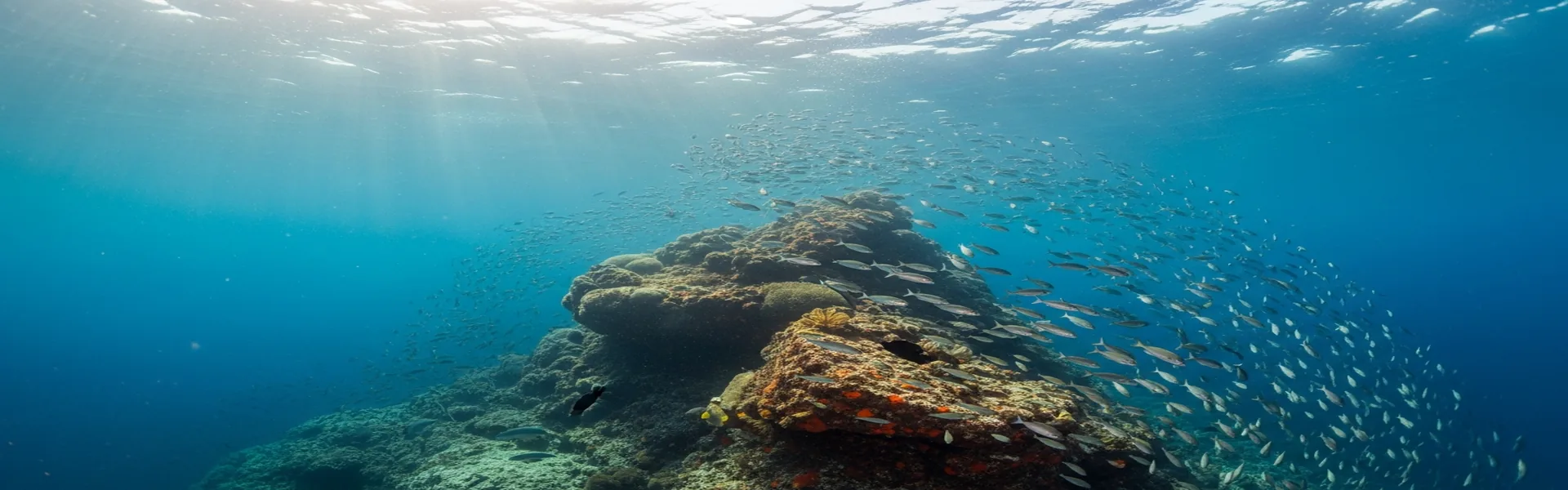
Manta Point Komodo: Dive with Gentle Giants
Encounter the ocean's most graceful creatures at Manta Point, a world-renowned diving destination where manta rays congregate in their natural habitat. Experience exceptional underwater encounters with these magnificent gentle giants in one of Asia's premier diving locations.

Perfect depth range for observing manta rays in their natural feeding zone, maintaining excellent visibility and providing safe decompression parameters.
Manta rays visit Manta Point throughout the year, with seasonal variations in frequency and behavior patterns creating diverse encounter opportunities.
Manta rays reach impressive wingspans of up to seven meters, making encounters with these gentle giants unforgettable memorable experiences.
The Manta Point Diving Experience
Manta Point represents a pinnacle destination for diving enthusiasts seeking authentic encounters with one of the ocean's most remarkable creatures. Located within the Komodo National Park, this site combines geological features that attract manta rays with optimal diving conditions creating top-tier experiences.
Understanding Manta Ray Behavior
Manta rays gather at Manta Point due to unique oceanographic conditions. Nutrient-rich upwelling currents concentrate zooplankton, the manta rays' primary food source. Divers witness manta rays executing graceful feeding behaviors, filtering thousands of tiny organisms through specialized mouth structures. The rays glide majestically through water columns, performing barrel rolls and somersaults while feeding. This natural feeding behavior allows divers to observe authentic manta interaction rather than habituated or captive-fed behaviors.
Graceful Feeding Technique
Manta rays use sophisticated feeding strategies including coordinated group feeding where multiple individuals work together. They position themselves to maximize plankton exposure while minimizing energy expenditure. This cooperative behavior demonstrates remarkable intelligence and social interaction among these gentle creatures.
Seasonal Variation Patterns
Manta ray frequencies vary seasonally based on plankton availability and ocean current patterns. Peak season (roughly June-September) brings higher concentrations, while shoulder seasons offer fewer crowds and still feature regular encounters. Understanding these patterns helps set realistic expectations for your diving adventure.
Professional guides trained in manta ray behavior and marine biology provide context for observed interactions. They explain feeding mechanisms, reproduction cycles, and conservation status while positioning divers optimally for safe, respectful observation. This educational approach transforms diving from simple recreation into meaningful wildlife encounter.
Diving Conditions & Site Specifics
Manta Point diving requires understanding site-specific conditions, depth parameters, and current patterns. This knowledge ensures safe, rewarding experiences while maximizing manta ray encounter probability.
Depth Profile & Dive Parameters
Manta Point's optimal diving zone occurs between 15-25 meters depth, where manta rays most frequently congregate. The site features a gentle sloping bottom transitioning from shallow reef areas to deeper channels. Current direction varies, creating alternating dive approaches. Average bottom time ranges from 40-50 minutes, allowing extended manta observation while maintaining appropriate dive safety parameters and decompression requirements.
Current Understanding & Planning
Manta Point experiences significant currents, particularly during certain tide phases. Strong currents concentrate plankton, attracting higher manta ray densities. However, powerful currents challenge less experienced divers. Our professional guides assess current strength each dive day, recommending appropriate dive profiles and positioning strategies. Drift diving techniques maximize energy efficiency while maintaining manta observation quality. Divers wearing proper weighting and equipment configuration navigate currents comfortably and safely.
Visibility & Light Conditions
Manta Point typically offers 15-30 meter visibility depending on seasonal conditions and current strength. Dry season (April-November) provides best visibility conditions, while plankton bloom periods can reduce sight distance but attract more manta rays. Underwater lighting conditions remain excellent even at deeper depths due to tropical sun position. Early morning dives capture clearest water conditions, while afternoon dives may encounter thicker plankton concentrations yet more manta activity.
Safety Considerations
Certification Requirements
Advanced Open Water certification or equivalent qualifications are necessary for Manta Point diving. The site's depth, current conditions, and demanding environment require experienced divers with proper training and experience.
Equipment Specifications
Recommended gear includes 5mm wetsuits or thicker depending on season, weighted vests or weight belts, and redundant navigation systems. Strong fins assist current navigation. Professional guides provide comprehensive pre-dive briefings covering site-specific safety protocols and emergency procedures.
Snorkeling Options at Manta Point
While Manta Point primarily functions as a diving destination, snorkeling opportunities exist under specific conditions. Shallow water manta ray encounters occasionally occur, though probability remains lower than diving options. Snorkeling at Manta Point requires careful site selection and favorable current conditions.
Snorkeling Feasibility & Best Conditions
Manta rays occasionally visit shallower water zones during slack tide periods or when plankton concentrations occur near the surface. Snorkelers on private cruises can explore related snorkeling sites while divers explore deeper waters. Our guides monitor conditions continuously, repositioning snorkel groups opportunistically when manta ray activity appears in shallow areas. This combined approach allows cruise participants to pursue diving or snorkeling based on certification level while still visiting the same location.
Alternative Snorkeling Sites Near Manta Point
The broader Komodo region offers exceptional snorkeling sites featuring different marine ecosystems and wildlife encounters. Crystal Bay provides pristine coral reef snorkeling without current challenges. Batu Bolong offers diverse fish species and macro photography opportunities. The Coral Triangle's richness ensures excellent snorkeling experiences across multiple sites, allowing visitors to explore the region's full underwater diversity.
Most liveaboard cruises include both diving and snorkeling components, strategically visiting different sites based on participant certification and interests. This comprehensive approach ensures everyone enjoys premium underwater experiences regardless of diving qualification.
Marine Life Beyond Manta Rays
While manta rays represent Manta Point's signature attraction, the site's rich biodiversity provides encounters with numerous other remarkable marine species. The abundance of plankton that attracts manta rays supports diverse predator and prey species.
Fish Populations & Coral Ecosystem
Manta Point's reef system supports healthy coral communities and diverse fish species. Large schools of reef fish, trevally, and mackerel occupy the deeper channels. Groupers, snappers, and emperor fish patrol the reef edges. Smaller species including damselfish, wrasse, and parrotfish inhabit coral structures. The reef's complex architecture provides habitat for hundreds of fish species interacting in intricate ecological relationships.
Sharks & Large Predators
Reef sharks including whitetip and blacktip species frequently patrol Manta Point depths. Large trevally, jacks, and snappers hunt schooling fish. These apex predators maintain ecological balance while creating thrilling wildlife encounters. The site's nutrient-rich conditions support larger fish populations than many nearby reefs, resulting in dramatic predator-prey interactions divers occasionally witness.
Invertebrate Diversity
Nudibranchs, sea urchins, octopuses, squid, and crustaceans inhabit reef structures. These creatures demonstrate remarkable adaptations and behaviors. Macro photography enthusiasts discover endless subjects among invertebrate populations.
Turtle Encounters
Sea turtles occasionally visit Manta Point depths, particularly green and hawksbill species. Observing these ancient reptiles underwater environment creates memorable moments beyond manta ray encounters.
Cephalopod Intelligence
Octopuses and cuttlefish display remarkable color-changing abilities and hunting strategies. Observing these intelligent invertebrates reveals the ocean's behavioral complexity beyond vertebrate species.
Manta Point's comprehensive marine ecosystem creates layered diving experiences. While manta encounters dominate the experience, the surrounding underwater environment provides continuous interest and discovery opportunities.
Best Seasons for Manta Point Diving
Understanding seasonal patterns maximizes manta ray encounter probability while accommodating weather conditions and dive site accessibility. Each season presents distinct advantages and considerations.
Peak Season (June-September): Highest Manta Concentrations
The dry season's latter half brings peak manta ray populations to Manta Point. Seasonal plankton blooms concentrate zooplankton, attracting large manta ray numbers. Water visibility ranges from 20-30 meters, exceeding other seasons. However, peak season brings maximum tourist crowds and highest prices. Accommodation and boat bookings require significant advance coordination. The exceptional manta encounter probability compensates for increased expense and social aspects of diving in groups.
Shoulder Seasons (April-May and September-November): Balanced Conditions
Transition periods offer excellent compromise between manta ray probability and crowd management. Water visibility remains good (15-25 meters), manta ray sightings occur regularly, and fewer tourists mean more intimate experiences. Prices moderate during these periods, making luxury diving more accessible. Weather remains generally cooperative, and plankton concentrations gradually increase as transition progresses toward peak season.
Wet Season (December-March): Alternative Strategy
The wet season experiences less predictable manta ray activity and occasional plankton bloom disruptions. However, visibility often reaches 20-25 meters during clear periods, and hardy divers occasionally encounter manta rays during this timeframe. The primary advantage involves minimal tourism crowds, creating exclusive diving experiences. Wet season diving requires flexibility regarding site changes and alternative experiences if manta conditions prove unfavorable.
Year-Round Accessibility
Manta rays visit Manta Point throughout the year, ensuring possible encounters in any season. Realistic expectations acknowledge seasonal probability variations while celebrating year-round possibilities. Our experienced guides understand seasonal patterns intimately, recommending optimal booking timeframes aligned with your specific objectives and scheduling constraints.
Safety Protocols & Responsible Manta Encounter
Respectful manta ray interaction protects these magnificent creatures while ensuring diver safety. Following established protocols maintains ecosystem integrity and prevents habituation-related behavioral changes.
Respecting Manta Ray Boundaries
Maintain appropriate distances from manta rays, allowing them to control interaction. Never touch, chase, or attempt to feed manta rays. Allow natural manta behavior without disruption or interference. Recognize subtle behavioral signals indicating stress or discomfort, repositioning appropriately. This respect-based approach ensures manta rays experience undisturbed natural behaviors while divers capture genuine wildlife moments.
Environmental Protection Practices
Avoid damaging coral structures and reef ecosystems during diving. Use proper buoyancy control preventing accidental contact with marine life or vegetation. Refrain from removing shells, organisms, or reef specimens. Apply reef-safe sunscreen avoiding chlorine-based products that damage coral. These practices preserve the ecosystem supporting manta ray populations and diverse marine communities.
Diver Safety Considerations
Current Management
Understand current direction and strength before descending. Use proper technique when entering and exiting current zones. Maintain buddy integrity throughout dives. Communicate continuously with dive partners regarding air consumption and comfort levels.
Emergency Preparedness
Professional guides carry emergency signaling equipment and maintain constant communication. Know emergency procedures before descending. Keep current on CPR and diving rescue certifications. Recognize personal limitations and communicate concerns with guides proactively.
Safety excellence and environmental stewardship combine creating sustainable diving experiences. Our commitment to both diver protection and ecosystem preservation defines luxury diving operations in the Komodo region.
Frequently Asked Questions About Manta Point
Are manta rays dangerous or aggressive toward divers?
Manta rays are docile, peaceful creatures with no aggressive tendencies toward humans. Despite their impressive size, they are filter feeders consuming only plankton and fish larvae. Manta rays display curiosity about divers but typically maintain distance, controlling their interaction level. Historical manta ray incidents involving humans remain exceptionally rare compared to other marine species. The greatest risk involves divers inadvertently startling mantas or attempting inappropriate interaction, potentially causing the rays stress or causing divers to become separated from their dive groups.
What are manta rays and how do they differ from stingrays?
Manta rays represent distinct species (Manta birostris for giant mantas and Manta alfredi for reef mantas) belonging to the eagle ray family. Unlike stingrays, manta rays possess no venomous tail spine, making them harmless to humans. They reach tremendous sizes compared to most rays, with giant mantas exceeding seven-meter wingspans. Manta rays are filter feeders, consuming plankton and fish larvae rather than hunting larger prey. Their intelligence surpasses most fish species, exhibiting problem-solving abilities and complex social behaviors not found in typical stingrays.
How are manta rays identified and do individuals have unique characteristics?
Manta rays possess distinctive spot patterns on their abdomens (belly sides) used by researchers for individual identification, similar to human fingerprints. These patterns remain consistent throughout individual lifespans, allowing scientists to track population movements and individual histories across years and decades. Some locations maintain comprehensive photo identification catalogs enabling researchers to identify returning individuals. These unique markings fascinate divers, who often try photographing manta spot patterns during dives, contributing to scientific research while personalizing their encounters with specific individuals.
What is the typical size of manta rays and how long do they live?
Reef mantas (Manta alfredi) typically measure 3.5-4.5 meters wingspan, while giant mantas (Manta birostris) frequently exceed 6-7 meters. Maximum recorded sizes approach 7+ meters, though such giants remain uncommon. Manta rays reach sexual maturity between 7-9 years of age and may live 40+ years in the wild. Their slow reproduction rate (females produce only one pup every 2-3 years) makes populations vulnerable to overfishing. This combination of slow reproduction and long lifespan contributes to conservation concerns regarding manta ray population sustainability.
Is Manta Point a protected area and what conservation efforts exist?
Manta Point operates within Komodo National Park's protected boundaries, providing legal protection from fishing and extractive activities. International conservation agreements recognize manta rays as endangered species requiring protection. The Indonesian government and international organizations collaborate on manta ray conservation initiatives. Scientific research funded by conservation groups monitors population health and behavioral patterns. Tourism revenue from responsible manta diving generates economic incentives supporting marine protection. These combined efforts aim to ensure sustainable manta ray populations while enabling ethical wildlife tourism.
Manta Point Diving Experiences & Packages
Our premium diving packages combine Manta Point experiences with complementary activities, creating comprehensive underwater adventures aligned with your interests and objectives.
Liveaboard Diving Cruises
Multi-day 3-days-2-nights and extended liveaboard experiences position divers at Manta Point's optimal conditions. Multiple dive days maximize manta ray encounter probability while exploring related diving sites throughout Komodo National Park.
Specialized Diving Itineraries
Customized diving experiences combine Manta Point with other premier diving locations. These comprehensive itineraries showcase Indonesia's most remarkable underwater ecosystems while featuring manta ray encounters as highlighted experiences.
Our expert dive guides possess extensive Manta Point experience and professional certifications ensuring safety excellence. They understand manta ray behavior intimately and optimize positioning for meaningful encounters. These professionals provide educational context transforming recreational diving into transformative wildlife experiences.
Related Diving & Ocean Experiences
Complement your Manta Point diving with other Komodo region diving and water activities, exploring the area's full underwater potential.
Comprehensive Manta Ray Experiences
Dedicated manta ray exploration packages maximize encounter probability across multiple visits. Multi-day itineraries increase likelihood of exceptional underwater moments with these magnificent creatures.
Premier Diving Sites
Explore Komodo's comprehensive diving network including crystal bays, coral gardens, and macro photography locations. Each site showcases distinct marine ecosystems and wildlife encounters.
Komodo Island Land Expeditions
Balance diving adventures with Komodo Island trekking and wildlife encounters. Combine marine and terrestrial experiences for comprehensive Komodo exploration.
Extended Cruise Packages
Multi-day 3-day experiences combine Manta Point diving with Rinca Island wildlife encounters, Pink Beach snorkeling, and Padar Island trekking adventures.
Trust & Quality Assurance
Dive with Gentle Giants at Manta Point
Manta Point represents one of the world's premier diving destinations, offering life-changing encounters with magnificent manta rays in pristine oceanic environments. Our professional guides, luxury accommodations, and comprehensive expertise create unforgettable underwater adventures combining safety, education, and awe-inspiring wildlife experiences.
Ready to Begin Your Komodo Adventure?
Contact our luxury cruise specialists for personalized itinerary planning and exclusive charter options.
📱 WhatsApp / Phone: +62 811 382 3875
📧 Email: [email protected]