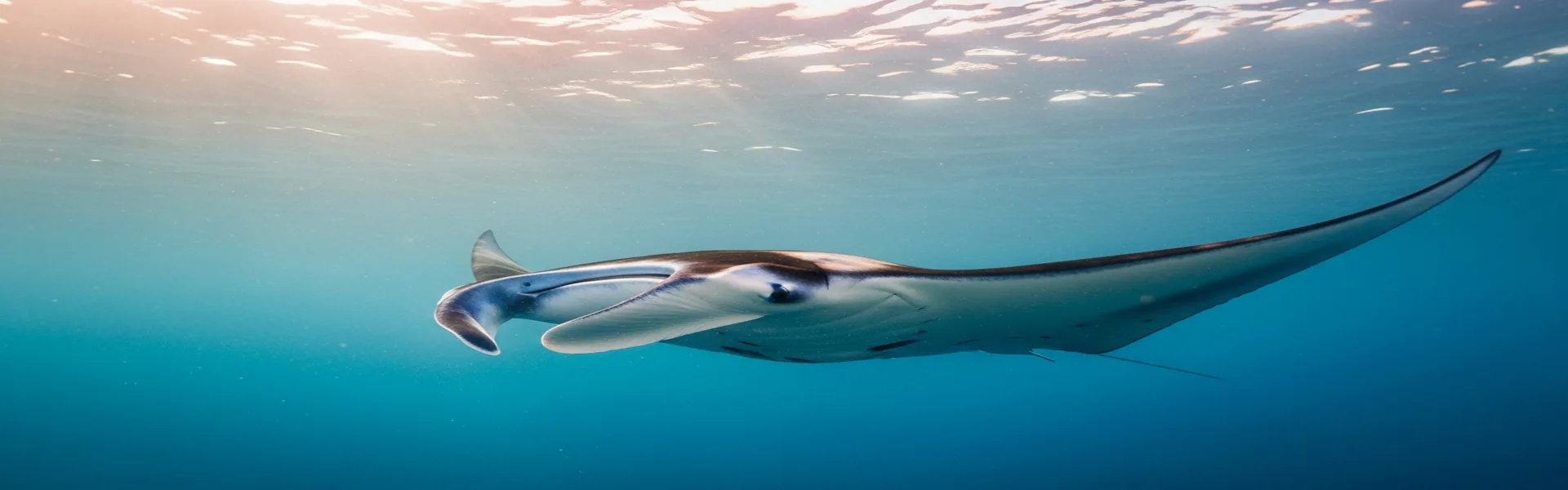
Manta Ray Encounters in Komodo
Witness the grace and majesty of magnificent manta rays in their natural habitat. Our Komodo manta ray experiences offer exceptional opportunities to encounter these gentle giants in pristine waters, creating transformative moments you'll treasure forever.
The Wonder of Komodo's Manta Rays
Komodo National Park ranks among the world's premier manta ray destinations. Our pristine waters attract resident and migratory manta populations, offering exceptional encounter rates and intimate wildlife experiences. These gentle marine giants inspire awe in all who witness their underwater grace and majesty.
Understanding Manta Rays
Manta rays are among Earth's most fascinating marine creatures. These intelligent, graceful filter feeders possess remarkable brains, complex social structures, and astonishing swimming abilities. With wingspans reaching up to six meters, mantas glide through water with balletic elegance, creating magical moments for observers fortunate enough to encounter them.
Physical Characteristics
Manta rays are gentle filter feeders without venomous spines or aggressive behaviors toward humans. Their massive wingspans, distinctive head fins, and graceful movements make them unmistakable ocean inhabitants. Dark coloring on their dorsal surfaces contrasts beautifully with lighter ventral sides, creating striking visual patterns as they glide through water.
Behavior & Intelligence
Manta rays demonstrate remarkable intelligence comparable to dolphins and apes. They exhibit curious, sometimes playful behaviors toward divers and snorkelers. Resident populations develop individual personalities and social bonds. Mantas often approach swimmers with apparent interest, creating intimate encounters where these gentle giants seem to acknowledge human presence with their own brand of oceanic awareness.
Feeding & Movement
Manta rays are plankton filter feeders consuming tiny organisms by opening their mouth wide while swimming. They navigate thermal layers seeking planktonic concentrations, with Komodo's unique water conditions creating ideal feeding opportunities. Seasonal plankton blooms attract manta populations, making certain periods exceptional for encounters and observations of natural feeding behaviors.
Premier Manta Ray Encounter Locations
Komodo National Park features several world-renowned manta ray sites. Each location offers unique characteristics, varying encounter frequencies, and distinct underwater environments. Our experienced guides know precisely where and when manta rays congregate, maximizing your encounter opportunities during your private cruise.
Manta Point
The legendary Manta Point delivers exceptional manta ray encounters year-round. This submerged seamount creates ideal plankton concentrations, attracting multiple manta rays simultaneously. The characteristic "cleaning station" ecosystem encourages mantas to gather, rest, and interact. Most Komodo cruises feature Manta Point as the primary manta encounter location.
Batu Bolong
This scenic dive site combines exceptional coral reefs with consistent manta ray sightings. Strong currents funnel plankton-rich water, creating feeding opportunities that attract resident manta populations. The dramatic rock formation and vibrant marine life make Batu Bolong ideal for divers and snorkelers seeking comprehensive Komodo marine experiences.
Gili Lawa Darat
Sheltered waters near Gili Lawa Darat host seasonal manta ray concentrations during peak months. This calmer location suits intermediate swimmers and those preferring gentler conditions. Regular sightings and successful encounters make it a reliable backup location when stronger current sites present challenges.
Snorkeling vs. Diving with Manta Rays
Whether you snorkel or scuba dive, Komodo's manta rays create unforgettable encounters. Both activities offer distinct perspectives on these magnificent creatures. Your choice depends on comfort level, experience, and personal preferences. Both snorkelers and divers frequently encounter mantas in spectacular fashion.
Snorkeling with Manta Rays
Snorkeling offers accessible manta encounters for swimmers of all abilities. Surface perspective allows you to observe manta ray wing movements and graceful flight-like swimming. Snorkelers often encounter mantas at shallower depths while mantas feed or move between areas. The intimate viewpoint and ease of participation make snorkeling ideal for families, non-divers, and those preferring simpler encounters.
Best for: All fitness levels, families, non-certified swimmers
Diving with Manta Rays
Scuba diving enables extended underwater time and deeper manta encounters. Divers observe manta ray behavior from beneath, witnessing feeding, cleaning station interactions, and full-body movement. The longer bottom time and depth flexibility allow comprehensive manta ray observations. Certified divers unlock additional marine experiences at the same locations.
Best for: Certified divers, advanced swimmers, experience seekers
Best Seasons for Manta Ray Encounters
While Komodo attracts manta rays year-round, seasonal variations influence encounter frequency and conditions. Understanding seasonal patterns helps optimize your Komodo manta ray experience. Our experienced team monitors conditions and adjusts itineraries to maximize your encounter opportunities.
Peak Season (April - September)
Dry season brings calm seas, exceptional visibility, and peak manta populations. Plankton concentrations are highest, attracting maximum manta numbers. Encounter rates exceed 90% during optimal months. Weather conditions are stable, water temperatures are comfortable, and overall diving and snorkeling conditions are ideal. This remains the most popular and reliable period for manta ray experiences.
Encounter Probability: 85-95%
Shoulder & Wet Seasons (October - March)
Shoulder season (October-November, February-March) offers decent encounter rates with fewer tourists and lower prices. Wet season (December-January) brings occasional rough conditions but still features manta sightings. Plankton concentrations remain good, and fewer divers mean more tranquil encounters. These seasons suit adventurous travelers seeking authentic experiences with manageable weather trade-offs.
Encounter Probability: 60-80%
Manta Ray Conservation & Responsible Encounters
Komodo's manta rays face global conservation challenges including overfishing, habitat loss, and fishing net entanglement. Responsible tourism directly supports manta conservation. Your Komodo private cruise contributes to marine protection through our partnership with conservation organizations and implementation of sustainable encounter practices.
Conservation Impact
A percentage of every Komodo manta ray cruise supports marine conservation initiatives protecting manta populations and their habitats. Your participation directly funds research, protection programs, and community education efforts. Tourism revenue incentivizes local communities to protect rather than harm manta rays, creating sustainable conservation frameworks.
Responsible Practices
Our guides follow strict protocols ensuring minimal manta disturbance. We maintain respectful distance, avoid sudden movements, and never attempt to touch mantas. Encounters emphasize observation over interaction. Our approach respects these intelligent creatures' autonomy while enabling meaningful wildlife experiences. Conservation-minded practices ensure manta populations thrive for future generations.
Protected Habitat
Komodo National Park designation provides legal protection for manta rays and their marine ecosystem. Protected status restricts fishing, pollution, and destructive activities. As UNESCO World Heritage Site, Komodo receives international recognition and resources for conservation. Your presence supports local enforcement and management of these crucial marine protection zones.
Manta Ray Experience FAQs
Get detailed answers about our Komodo manta ray encounters, seasonal considerations, safety protocols, and preparation guidance. Whether you're a seasoned diver or first-time snorkeler, these FAQs address common questions and concerns about unforgettable manta ray experiences.
Are manta ray encounters safe?
Manta rays are completely harmless filter feeders without venomous spines or aggressive behaviors. They show no interest in harming humans. Thousands of snorkelers and divers encounter mantas annually without incident. Safety concerns relate to ocean conditions (currents, depth) rather than manta behavior. Our guides maintain strict safety protocols, provide comprehensive briefings, and stay with you throughout encounters. Manta rays inspire awe, not fear.
What swimming ability is required for manta encounters?
Snorkeling encounters suit confident swimmers of all abilities. You'll remain at the surface, relying on snorkeling skills rather than deep water experience. Diving encounters require current PADI or equivalent certification. Many non-divers successfully encounter mantas through snorkeling alone. Our guides assess comfort levels, recommend appropriate locations, and provide instruction. Even nervous swimmers frequently have successful, comfortable manta encounters.
How many mantas will we see?
Encounter frequency varies seasonally and daily. Peak season encounters frequently feature 5-15 mantas during single sessions. Manta Point sometimes attracts 20+ individuals simultaneously. Off-season visits may encounter 1-3 mantas. Our 85% year-round encounter rate represents comprehensive statistics. While we cannot guarantee sightings, our location knowledge, timing expertise, and seasonal planning maximize your encounter probability. Occasional sessions miss mantas due to unpredictable wildlife patterns.
Can we touch or photograph manta rays?
We maintain respectful distance from mantas, never touching or chasing them. Photography is encouraged from appropriate distances using underwater cameras. Many mantas approach swimmers voluntarily, creating natural photo opportunities without pursuing them. Respecting manta autonomy protects these vulnerable creatures and ensures their continued presence in Komodo waters. Professional underwater photographers often accompany our cruises, sharing their expertise and imagery.
What equipment do we need for manta encounters?
Snorkeling requires basic mask, snorkel, and fins—all provided on our cruises. Diving encounters require certification and proper diving equipment. Wetsuit/rash guard protection prevents coral scratches and sun exposure. Underwater camera equipment is optional but recommended for capturing memories. We provide professional-grade snorkeling and diving gear. Our emphasis on quality equipment ensures comfortable, safe, successful manta encounters. Bring any personal preferences, but comprehensive rental options eliminate packing concerns.
Begin Your Manta Ray Journey Today
Swimming alongside manta rays in Komodo creates transformative memories that endure lifetimes. These graceful ocean inhabitants inspire wonder, respect, and deep connection with marine life. Join our private cruises and discover why manta ray encounters rank among the world's most remarkable wildlife experiences.
Ready to extend your adventure? Check out our liveaboard cruise options for multi-day manta ray experiences, or explore our 3-day itineraries combining manta encounters with island exploration and diving adventures.
Ready to Begin Your Komodo Adventure?
Contact our luxury cruise specialists for personalized itinerary planning and exclusive charter options.
📱 WhatsApp / Phone: +62 811 382 3875
📧 Email: [email protected]